

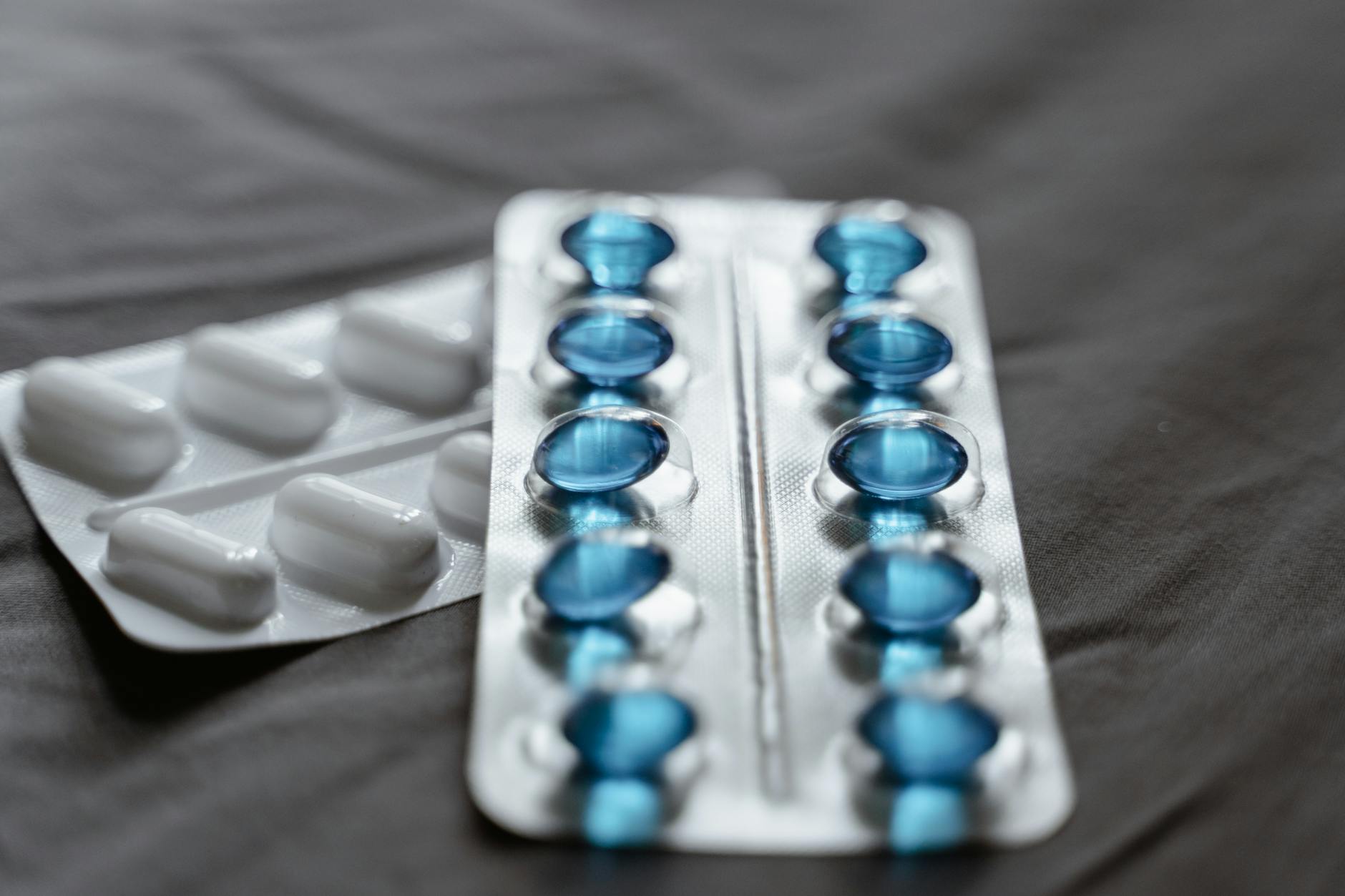
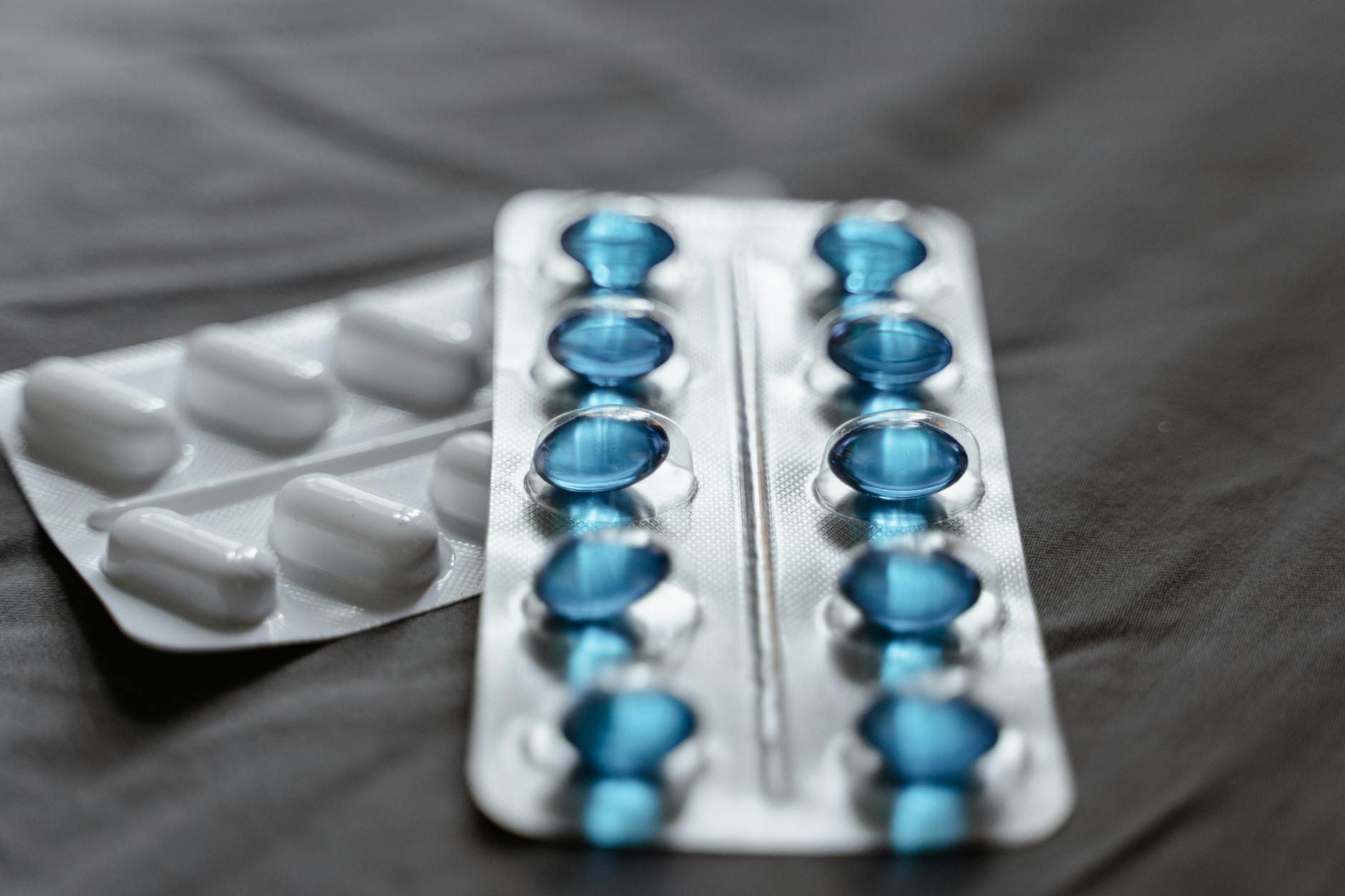
The FDA has approved zuranolone 50mg oral capsules as the first treatment for postpartum depression (PPD) that is both oral and specifically approved for this indication, with Phase 3 trials demonstrating statistically significant symptom improvement within 3 days and remission in 47% of patients by day 15 of a 14-day treatment course — a speed of onset dramatically faster than conventional antidepressants.
The Postpartum Depression Burden
Postpartum depression affects approximately 1 in 8 mothers in the United States — roughly 500,000 women annually. It typically emerges within the first six weeks after delivery and can persist for months to years without treatment, impairing maternal-infant bonding, infant neurodevelopmental outcomes, breastfeeding, and maternal occupational functioning.
Until recently, treatment consisted of off-label use of SSRIs and SNRIs, which carry concerns about breastfeeding exposure and — critically — take four to eight weeks to achieve clinical effect, leaving mothers and infants vulnerable during a critical developmental window.
Mechanism of Action
Zuranolone is a positive allosteric modulator of GABA-A receptors — the same target as benzodiazepines and brexanolone (the previously approved IV PPD treatment), but with a distinct binding site and metabolic profile allowing oral dosing. PPD is associated with a precipitous drop in neuroactive steroid levels (particularly allopregnanolone) immediately postpartum, which reduces GABAergic inhibitory tone and creates vulnerability to depressive and anxious symptoms. Zuranolone restores GABAergic function.
Approval Supporting Data
The approval is based on the SKYLARK and ROBIN trials. SKYLARK enrolled 196 patients with moderate-to-severe PPD (HAMD-17 ≥26) and found a 15.6-point reduction in HAMD-17 score at day 15 vs 9.7 in placebo (p<0.001). ROBIN confirmed these findings in a broader severity range, with 47% of zuranolone patients achieving remission at day 15 vs 24% placebo.
Effects were sustained through day 45 (4 weeks after the last dose) in both trials, suggesting durable neurobiological effects from the 14-day course.
Safety and Breastfeeding
The most common adverse events were somnolence (24%), dizziness (14%), and sedation (13%). The FDA label includes a warning against driving or operating heavy machinery for 12 hours after each dose. Importantly, breast milk transfer studies show low zuranolone exposure in nursing infants, and the short 14-day treatment duration minimizes cumulative infant exposure.
Access and Cost
Zuranolone is expected to be priced at approximately $15,950 for a 14-day course — far more accessible than brexanolone’s $34,000 infusion requiring hospital admission. Multiple insurance plans have indicated coverage; Medicaid coverage in all 50 states is anticipated given federal maternal health initiatives.
Leave a Reply