
A landmark multicenter study published in The New England Journal of Medicine has validated a blood-based biomarker panel capable of identifying patients at high risk of developing heart failure up to five years before clinical symptoms emerge, potentially transforming how cardiologists approach preventive care.
The Study Design and Findings
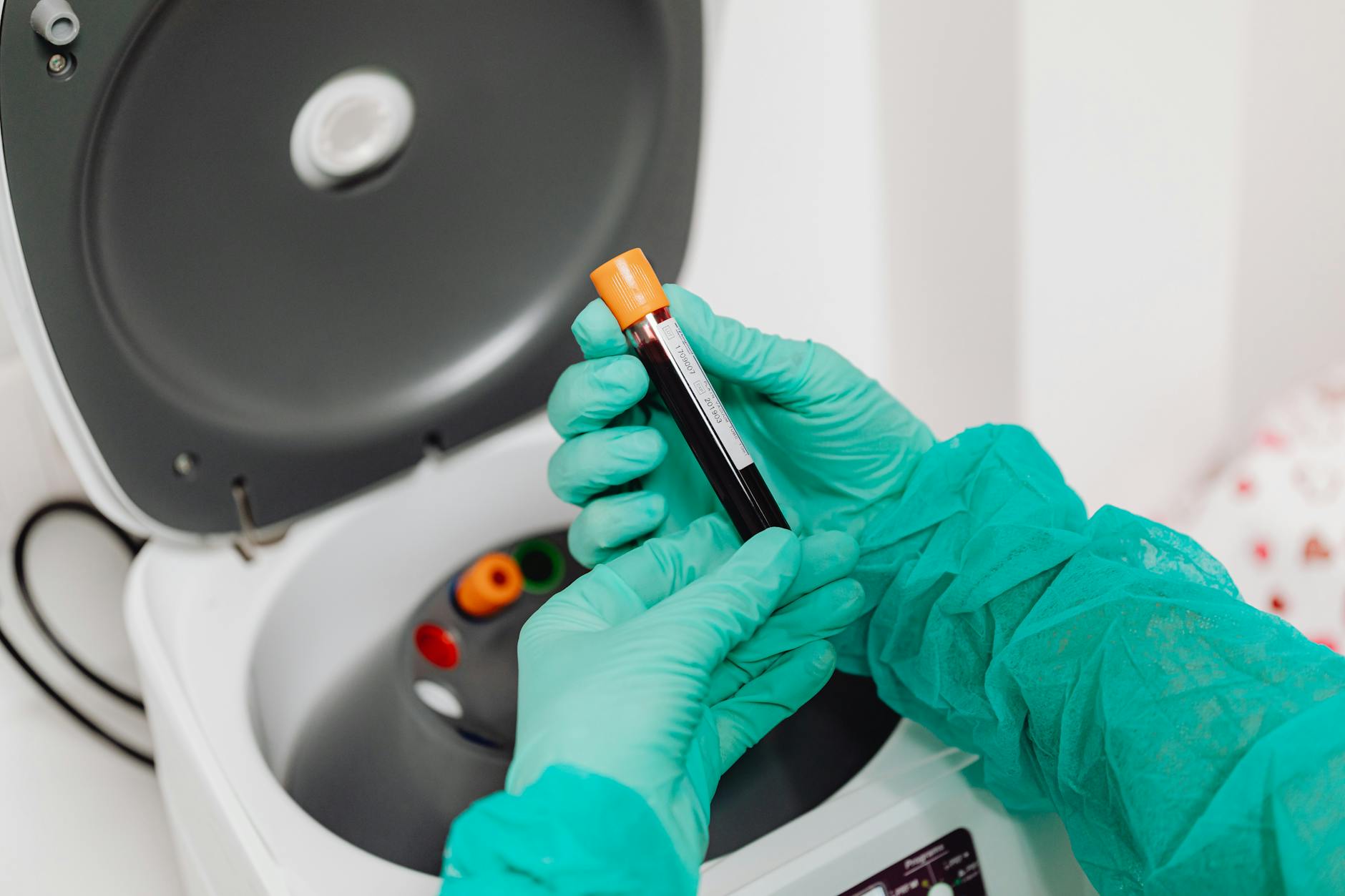
The research, conducted across 28 academic medical centers and involving 44,000 participants followed for an average of 6.8 years, measured 14 circulating protein biomarkers using a high-sensitivity multiplex immunoassay platform. The composite risk score, dubbed CardioGuard-14, demonstrated an area under the curve (AUC) of 0.87 for predicting incident heart failure — significantly outperforming existing tools such as the Pooled Cohort Equations.
Participants in the highest quintile of the CardioGuard-14 score faced a 7.4-fold increased risk of developing heart failure within five years compared to those in the lowest quintile, even after adjusting for traditional risk factors including hypertension, diabetes, smoking, and body mass index.
Key Biomarkers Identified
The panel includes established markers such as NT-proBNP and high-sensitivity troponin T, but critically adds several novel proteins including GDF-15 (growth differentiation factor 15), FGF-23 (fibroblast growth factor 23), and a newly characterized adipokine designated CP-77. The inclusion of CP-77, first isolated in 2023 at the University of California San Francisco, appears to independently contribute predictive value beyond traditional biomarkers.
“What excites me most is that CP-77 appears to reflect subclinical myocardial remodeling occurring years before any measurable reduction in ejection fraction,” said lead investigator Dr. Katherine Rowan of Brigham and Women’s Hospital. “This opens a window for intervention when the heart may still be salvageable.”
Clinical Implications
Heart failure affects approximately 6.7 million Americans and is the leading cause of hospitalization in adults over 65. Current diagnostic pathways typically identify patients only after symptoms — dyspnea, edema, fatigue — have already significantly impaired quality of life. By the time clinical heart failure is diagnosed, structural remodeling is often irreversible.
The CardioGuard-14 test would ideally be deployed at primary care visits for patients aged 45 to 70 with one or more traditional cardiovascular risk factors. Researchers estimate this would capture approximately 73% of all incident heart failure cases in a cost-effective screening paradigm.
Treatment Opportunities Opened by Early Detection
Early identification creates opportunities for intensive lifestyle intervention, optimization of blood pressure and diabetes management, and — crucially — early initiation of SGLT2 inhibitors. Recent landmark trials including EMPEROR-Reduced and DAPA-HF have demonstrated that SGLT2 inhibitors dramatically reduce heart failure hospitalization and cardiovascular mortality, with evidence suggesting benefit increases with earlier initiation.
“If we can deploy these agents five years earlier in the disease course, we may be able to halt remodeling entirely in a significant proportion of patients,” said Dr. Marcus Johnson, cardiologist at Cleveland Clinic and co-author of the study.
Next Steps
The investigators are now enrolling participants in a Phase 3 randomized controlled trial — the PreVHF Study — to determine whether screening with CardioGuard-14 followed by risk-stratified intervention actually reduces clinical heart failure incidence and cardiovascular mortality compared to usual care. Results are expected in 2028.
The FDA is expected to review the CardioGuard-14 assay for 510(k) clearance as a laboratory-developed test in the first half of 2026, potentially making it commercially available within 18 months.



Leave a Reply